

Thai noodles are an important part of Thai cuisine and appear in everything from street-food stir-fries to noodle soups and quick everyday meals. Rather than referring to one specific type of noodle, the term covers a wide variety of noodles eaten throughout Thailand. These include Thai rice noodles, rice vermicelli, glass noodles, egg noodles and wheat-based noodles, as well as the hugely popular instant noodles sold in packets and cups.
What Thai noodles are made of therefore depends on the variety. Rice noodles are typically produced using rice flour and water, while glass noodles are commonly made using starches such as mung bean starch. Egg and wheat noodles have different ingredients and a noticeably different texture. The noodle chosen can have a significant effect on a dish, from the soft and chewy rice noodles found in many stir-fries to the thin noodles used in soups.
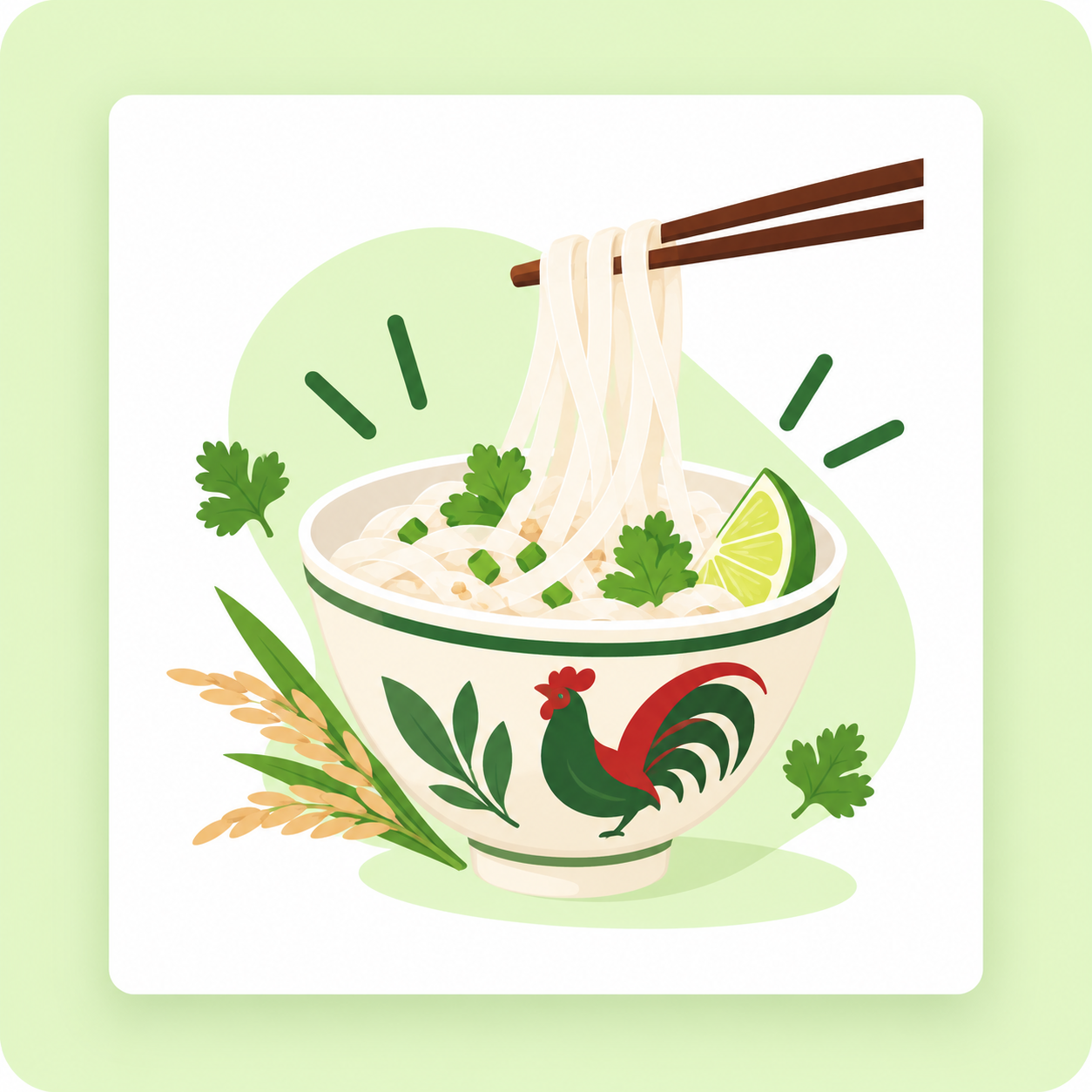
There are many types of Thai noodles, with different shapes, ingredients and textures suited to particular dishes. Thai rice noodles are among the best known and range from very thin rice vermicelli to wider, flatter noodles. Wide rice noodles are commonly associated with stir-fried dishes such as Pad See Ew and Pad Kee Mao, while other rice noodle varieties are used for dishes including Pad Thai and numerous Thai noodle soups.
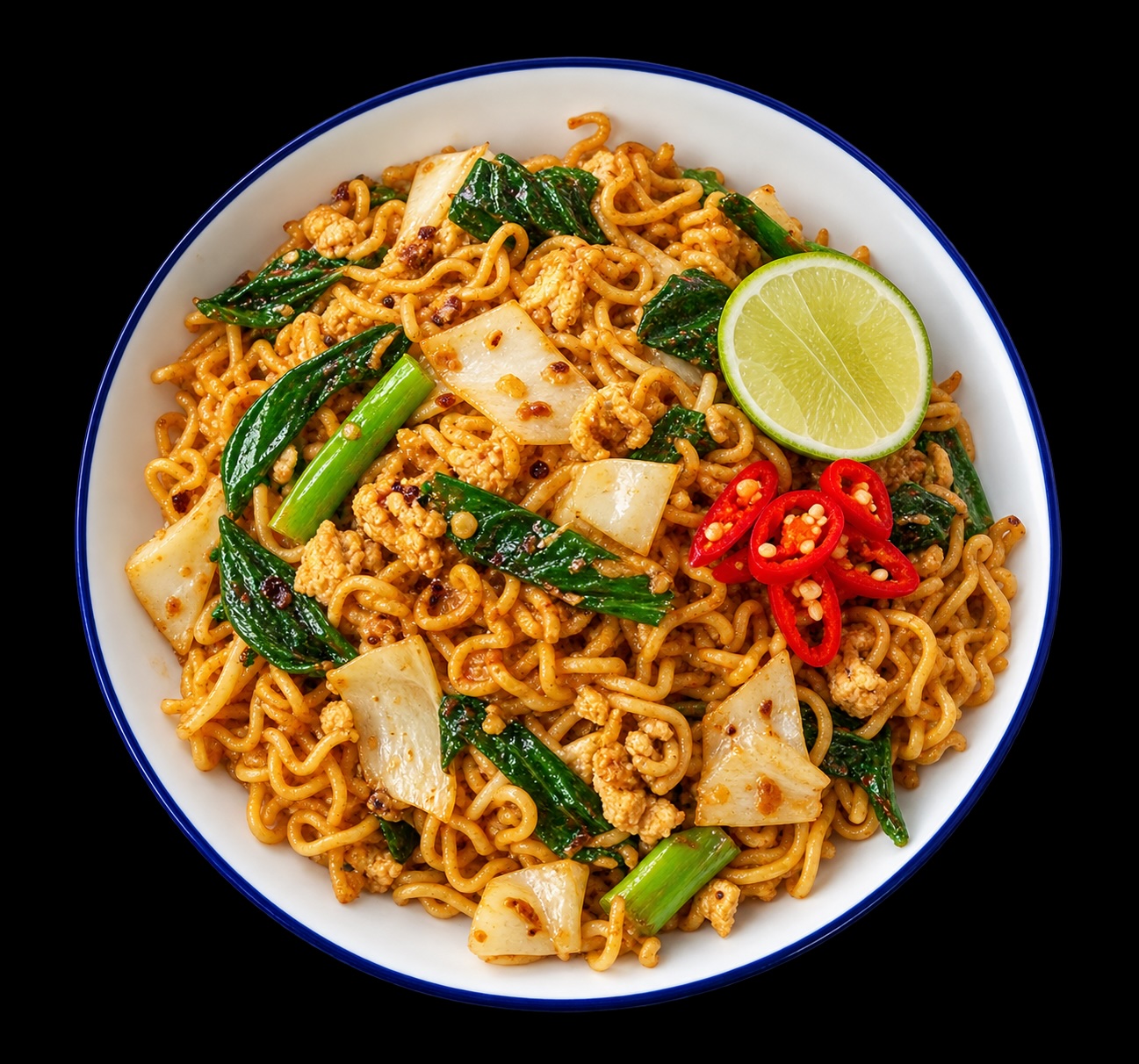
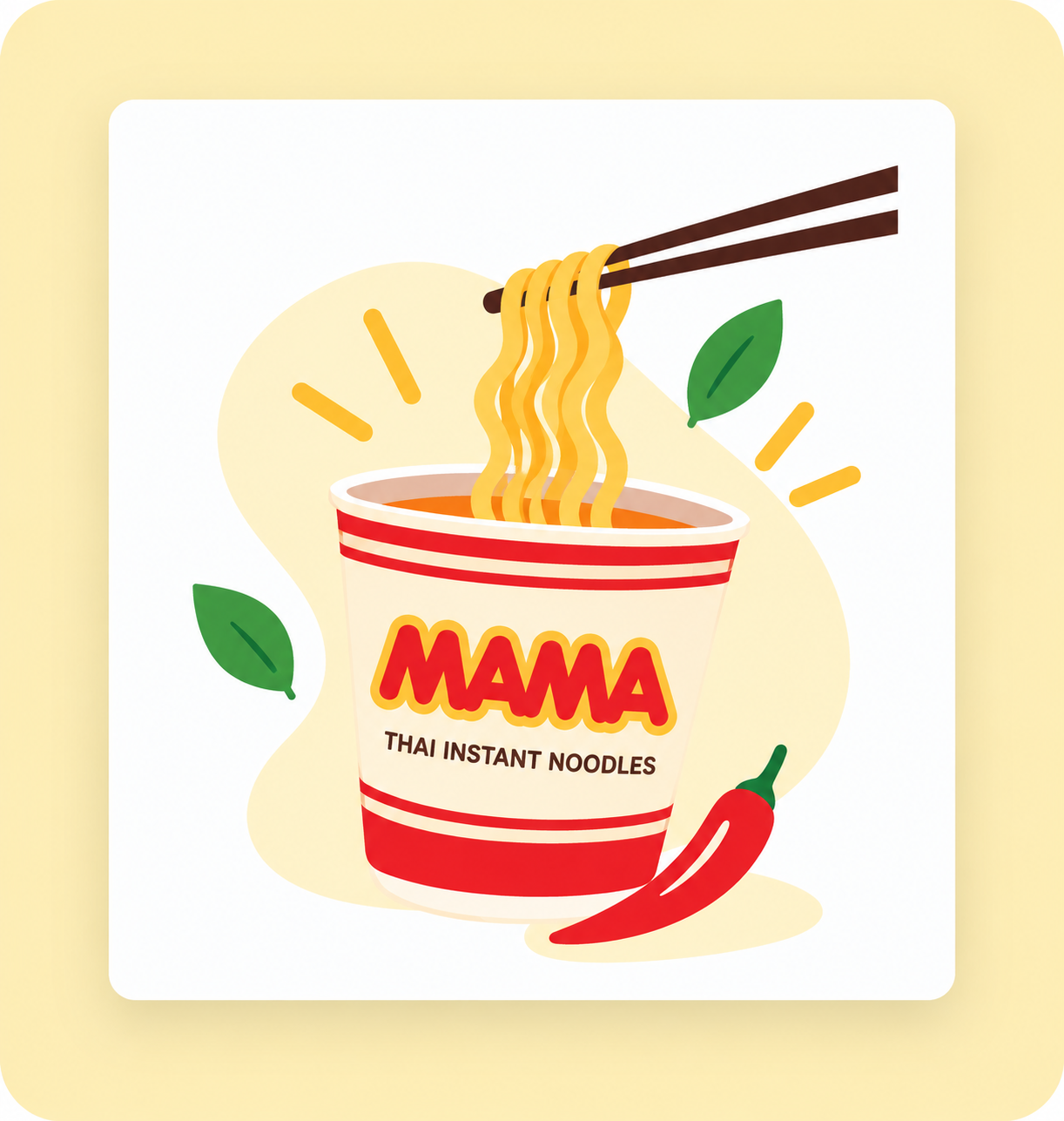
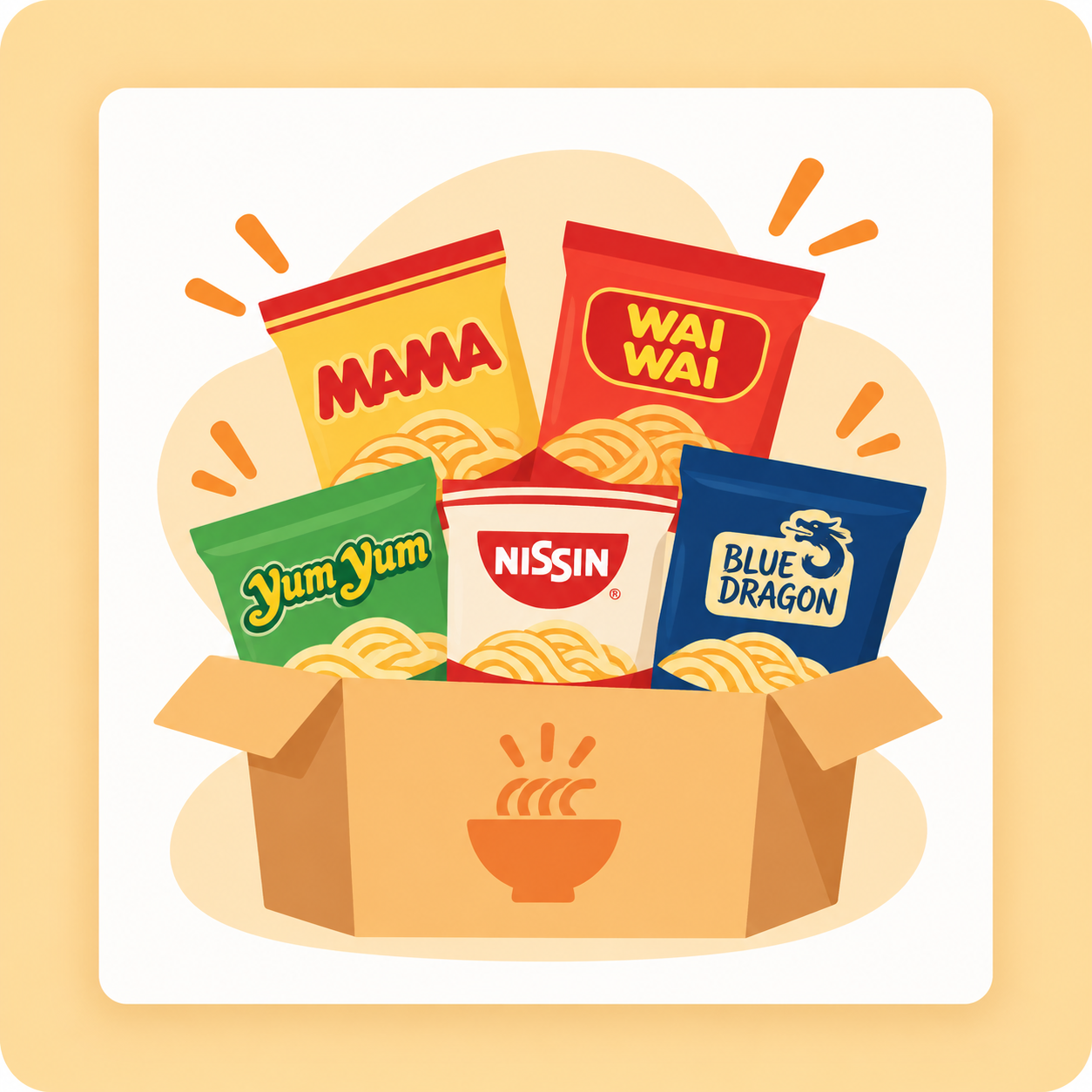
Glass noodles, egg noodles and instant noodles are also widely eaten in Thailand. Glass noodles have a light, slippery texture and are used in dishes such as salads and soups, while yellow egg noodles are particularly suited to broths and stir-fries. Thai instant noodles are another major part of everyday noodle culture, available in packets and cups with flavours ranging from tom yum and pork to green curry, seafood and spicy basil.
Knowing how to cook Thai noodles starts with choosing the right noodle for the meal you are preparing. Thin and wide rice noodles work particularly well in Thai stir-fries and soups, while rice vermicelli is useful for lighter dishes and salads. Glass noodles absorb surrounding flavours particularly well, whereas egg noodles provide a firmer texture. Instant noodles are designed for speed and convenience and can be eaten as prepared or combined with vegetables, eggs, meat and seafood.
Cooking methods and times vary considerably between noodle types. Some dried Thai rice noodles are soaked in water before being briefly cooked or added to a hot wok, rather than being boiled like conventional pasta. Instant noodles are generally cooked in boiling water or prepared by adding hot water directly to a cup or bowl. Because thickness and ingredients vary between products, always check the individual packet instructions to avoid overcooking the noodles.